Cybersecurity remains one of the highest priorities for enterprises in 2026. Organizations face increasingly sophisticated cyberattacks, including ransomware, phishing campaigns, zero-day exploits, insider threats, and cloud security risks. As businesses continue adopting cloud computing, artificial intelligence, and hybrid work environments, protecting digital infrastructure has become more challenging than ever.
Palo Alto Networks has established itself as one of the world’s leading enterprise cybersecurity providers. Its AI-powered security platform combines network security, cloud protection, endpoint security, threat intelligence, and security automation into a unified ecosystem designed for modern enterprises.
:max_bytes(150000):strip_icc()/GettyImages-2229886652-4eff2e7955e14cf39ac400f6256efc86.jpg)
What is Palo Alto Networks?
Palo Alto Networks is a global cybersecurity company specializing in enterprise security solutions. Unlike traditional antivirus software, the company provides a complete cybersecurity ecosystem that protects users, applications, endpoints, cloud environments, networks, and data.
Its portfolio includes next-generation firewalls, cloud security platforms, endpoint protection, security analytics, zero trust solutions, and AI-powered threat detection. Enterprises use these technologies to strengthen their security posture while simplifying security management across multiple environments.
Today, Palo Alto Networks protects organizations across finance, healthcare, manufacturing, retail, education, telecommunications, and government sectors.

Why Enterprises Choose Palo Alto Networks
Modern enterprises generate enormous amounts of digital data every day. Employees access business applications from offices, homes, and mobile devices, while workloads are distributed across public and private clouds.
This complexity increases the attack surface for cybercriminals.
Palo Alto Networks helps organizations manage these risks through a unified security platform that provides continuous visibility, intelligent threat detection, automated response, and centralized policy management.
Instead of managing dozens of disconnected security tools, enterprises can monitor their entire environment from a single platform.

Core Cybersecurity Solutions
Palo Alto Networks offers several enterprise security products designed to work together.
Its most popular enterprise solutions include:
- Next-Generation Firewall (NGFW)
- Cortex XDR
- Prisma Cloud
- Prisma Access
- Cortex XSIAM
- Cortex XSOAR
- WildFire Threat Intelligence
- Zero Trust Security
- Secure Access Service Edge (SASE)
- Cloud Workload Protection
- Identity Security
- API Security
- SaaS Security
- Security Automation
- AI-Driven Threat Detection
Organizations can deploy individual solutions or build an integrated cybersecurity ecosystem based on their security requirements.
AI-Powered Threat Detection
Artificial intelligence has become a critical component of modern cybersecurity.
Palo Alto Networks uses machine learning and behavioral analytics to identify suspicious activities before they become serious security incidents.
Instead of relying only on malware signatures, the platform analyzes user behavior, network traffic, application activity, endpoint events, and cloud workloads in real time.
This proactive approach enables organizations to detect zero-day attacks, ransomware, credential theft, and advanced persistent threats much faster than traditional security tools.
Cortex XDR
Cortex XDR is one of Palo Alto Networks’ flagship enterprise security solutions.
The platform combines endpoint, network, cloud, and identity data into a single detection and response platform.
Security analysts receive correlated alerts instead of thousands of isolated events, allowing them to investigate incidents faster and reduce alert fatigue.
Automated investigation capabilities also reduce manual work while improving response times.
Prisma Cloud
Cloud adoption continues to accelerate in 2026, making cloud security a major concern for enterprises.
Prisma Cloud provides comprehensive protection for cloud-native applications, containers, virtual machines, Kubernetes environments, serverless computing, and public cloud infrastructure.
Organizations using Amazon Web Services (AWS), Microsoft Azure, and Google Cloud can monitor all cloud resources through a centralized dashboard.
The platform continuously identifies vulnerabilities, configuration errors, compliance issues, and suspicious activities before attackers can exploit them.
Next-Generation Firewall
Palo Alto Networks pioneered the next-generation firewall market.
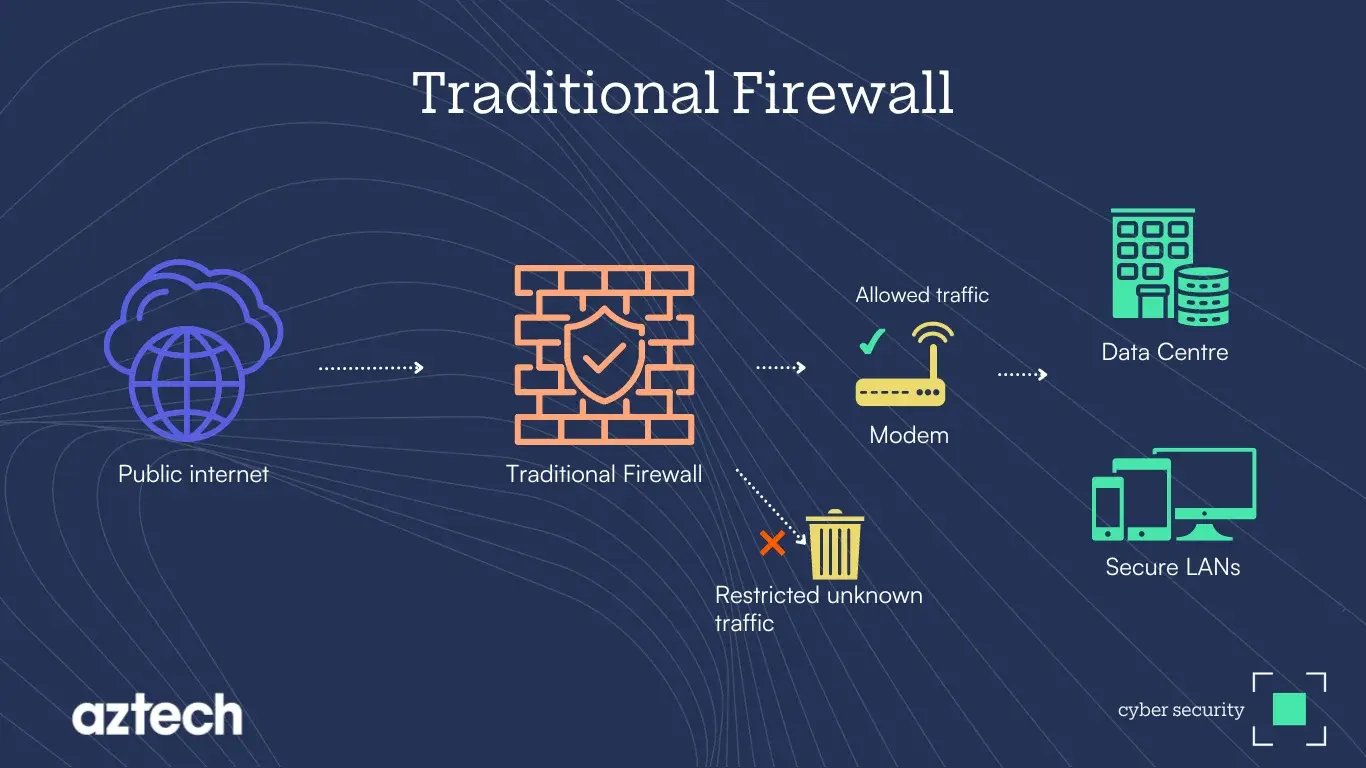
Unlike traditional firewalls that inspect only network ports and protocols, the company’s NGFW analyzes applications, users, devices, encrypted traffic, and content simultaneously.
This deeper inspection improves visibility while blocking sophisticated attacks before they reach corporate systems.
Large enterprises often deploy NGFWs across headquarters, branch offices, and data centers to create a consistent security architecture.
Zero Trust Security
Zero Trust has become one of the most important cybersecurity strategies for enterprise organizations.
Palo Alto Networks implements Zero Trust by continuously verifying users, devices, identities, and applications before granting access to corporate resources.
Instead of assuming internal users are trustworthy, every request is evaluated based on identity, device health, location, and risk level.
This approach significantly reduces the likelihood of unauthorized access and lateral movement within enterprise networks.
Security Automation
Large enterprises generate millions of security events every day.
Manual investigation is no longer practical.
Palo Alto Networks automates repetitive security tasks such as alert prioritization, malware analysis, incident investigation, and response workflows.
Security teams can focus on high-priority threats instead of routine administrative tasks.
Automation also reduces response times and improves operational efficiency.

Threat Intelligence
Cyber threats evolve continuously.
Palo Alto Networks operates one of the industry’s largest threat intelligence platforms, collecting security data from millions of devices worldwide.
Threat intelligence updates help organizations identify emerging malware families, ransomware campaigns, phishing attacks, malicious IP addresses, and new vulnerabilities before they become widespread.
Real-time intelligence enables security teams to strengthen defenses proactively.

Enterprise Integrations
Most enterprises already operate complex technology environments.
Palo Alto Networks integrates with Microsoft 365, Azure, AWS, Google Cloud Platform, ServiceNow, Splunk, VMware, Kubernetes, identity providers, SIEM platforms, and numerous third-party security solutions.
These integrations improve visibility while simplifying security operations across the organization.
Benefits for Large Enterprises
Organizations choosing Palo Alto Networks often experience significant operational improvements.
Key advantages include:
- AI-powered threat detection
- Unified security platform
- Excellent cloud security
- Advanced endpoint protection
- Industry-leading next-generation firewall technology
- Automated security operations
- Comprehensive compliance reporting
- Strong Zero Trust architecture
- Scalable enterprise deployment
- Global threat intelligence
These capabilities make the platform suitable for organizations managing thousands of users and distributed IT environments.
Industries That Benefit Most
Palo Alto Networks serves organizations across nearly every major industry.
The platform is particularly valuable for:
- Financial Services
- Healthcare
- Government
- Manufacturing
- Retail
- Telecommunications
- Education
- Energy
- Technology Companies
- Global Enterprises
Businesses operating in highly regulated industries benefit from the platform’s strong compliance and auditing capabilities.
Deployment Options
Palo Alto Networks offers flexible deployment models to meet different enterprise requirements.
Organizations can deploy solutions on-premises, in private clouds, public clouds, or hybrid environments.
This flexibility allows enterprises to modernize their security infrastructure without replacing existing investments immediately.
As business requirements evolve, additional security modules can be added without redesigning the entire security architecture.

Why Palo Alto Networks Stands Out in 2026
The cybersecurity landscape has changed dramatically over the past few years.
Enterprises no longer require isolated security tools—they need intelligent platforms capable of protecting increasingly complex digital environments.
Palo Alto Networks combines AI, automation, cloud security, endpoint protection, network security, identity protection, and threat intelligence into one integrated ecosystem.
This unified approach simplifies operations while improving visibility across the entire enterprise infrastructure.
Organizations looking to strengthen cyber resilience, reduce operational complexity, and prepare for future threats continue to view Palo Alto Networks as one of the strongest enterprise cybersecurity platforms available.

Conclusion
Palo Alto Networks remains one of the leading cybersecurity providers for enterprises in 2026. Its comprehensive platform addresses the evolving security challenges faced by modern organizations, from hybrid workforces and cloud adoption to sophisticated cyber threats powered by artificial intelligence.
With solutions such as Cortex XDR, Prisma Cloud, Next-Generation Firewalls, Zero Trust Security, and AI-driven threat intelligence, the company offers businesses a scalable and integrated approach to cybersecurity. Rather than relying on disconnected tools, enterprises can manage security through a unified ecosystem that improves visibility, accelerates incident response, and strengthens overall resilience.
For organizations seeking a future-ready cybersecurity platform that supports growth, compliance, and operational efficiency, Palo Alto Networks continues to be one of the strongest choices in the enterprise security market.