Managing a large workforce has become increasingly complex in 2026. Enterprise organizations must recruit top talent, onboard employees efficiently, manage payroll, track performance, ensure compliance, and support hybrid work environments—all while maintaining a positive employee experience. Traditional HR systems often struggle to meet these evolving demands.
Workday has become one of the leading cloud-based Human Capital Management (HCM) platforms, helping enterprises modernize workforce management through automation, artificial intelligence, and real-time analytics. The platform enables HR teams to streamline operations while giving executives valuable insights into workforce performance.
What is Workday?
Workday is a cloud-based Human Capital Management (HCM) and enterprise planning platform designed for medium-sized businesses and large enterprises. It combines human resources, payroll, talent management, workforce planning, recruiting, learning, and analytics into a single integrated system.
Unlike traditional on-premises HR software, Workday provides real-time access to employee information from anywhere. HR professionals, managers, and employees can access the platform through web browsers and mobile devices, improving collaboration across the organization.
Today, Workday serves organizations across healthcare, finance, education, manufacturing, retail, technology, and government sectors.
Why Enterprises Choose Workday
Large organizations manage thousands of employees across multiple departments and locations. Manual HR processes can lead to delays, inconsistent data, and increased administrative costs.
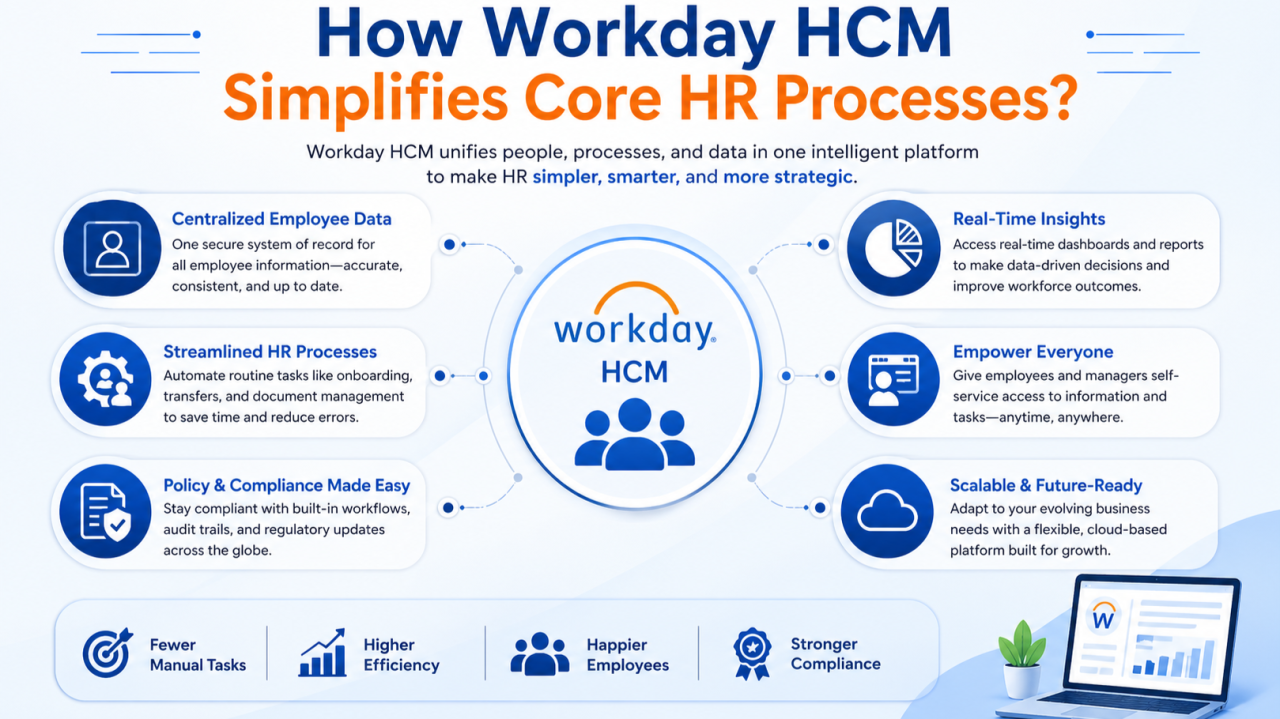
Workday centralizes workforce information into one platform, allowing HR teams to automate repetitive tasks, improve reporting, and make better workforce decisions. The platform also helps organizations adapt to changing business needs without relying on outdated systems.
Its cloud-native architecture ensures that businesses always have access to the latest features and security updates.
Core Features of Workday HR Software
Workday offers a comprehensive suite of workforce management tools that support the entire employee lifecycle.
Key features include:
- Human Capital Management (HCM)
- Employee Records Management
- Recruitment and Applicant Tracking
- Talent Acquisition
- Employee Onboarding
- Payroll Management
- Time and Attendance Tracking
- Workforce Planning
- Performance Management
- Learning Management
- Compensation Management
- Benefits Administration
- Succession Planning
- Workforce Analytics
- AI-Powered Automation
- Mobile HR Access
- Employee Self-Service
- Compliance Management
These capabilities allow enterprises to manage HR operations through a single centralized platform.
AI-Powered Workforce Management
Artificial intelligence plays a significant role in Workday’s platform.
AI helps automate repetitive HR tasks, recommend qualified candidates, identify workforce trends, and improve employee engagement. Managers receive intelligent recommendations for hiring, promotions, workforce planning, and skill development.
Machine learning also analyzes workforce data to identify potential retention risks and staffing needs before they become major challenges.
These capabilities help HR departments make faster and more informed decisions.
Recruitment and Talent Acquisition
Hiring the right employees is essential for long-term business success.
Workday simplifies recruitment by automating job postings, candidate tracking, interview scheduling, and communication with applicants. HR teams can monitor the entire hiring process from one dashboard.
The platform also uses AI to identify candidates whose skills and experience closely match open positions, reducing hiring time and improving recruitment quality.
Employee Onboarding
A structured onboarding process improves employee productivity and retention.
Workday automates onboarding workflows by assigning training materials, collecting required documents, and tracking completion of onboarding tasks.
New employees gain access to company information, policies, and learning resources before their first day, creating a smoother transition into the organization.
Managers can monitor onboarding progress and ensure that every required step is completed.

Payroll and Benefits Management
Managing payroll across a large workforce can be challenging, particularly for organizations operating in multiple regions.
Workday simplifies payroll processing by automating salary calculations, tax deductions, overtime tracking, and benefits administration. HR teams can manage employee compensation while reducing manual errors.
Employees also have self-service access to payslips, tax documents, and benefits information through the platform.
Performance Management
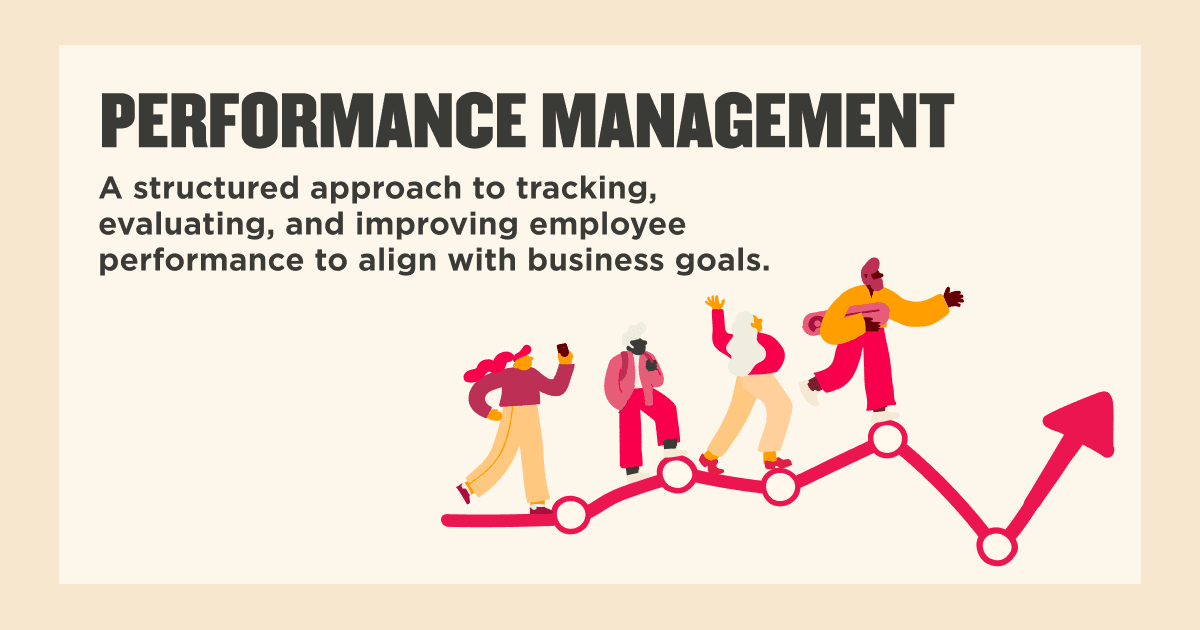
Continuous performance evaluation helps organizations develop stronger teams.
Workday enables managers to set goals, conduct performance reviews, provide regular feedback, and track employee development throughout the year.
Instead of relying solely on annual evaluations, organizations can implement continuous performance management that supports ongoing coaching and professional growth.
Employees also gain greater visibility into career objectives and development opportunities.
Workforce Planning
Effective workforce planning helps businesses prepare for future growth.
Workday provides real-time analytics that allow executives to forecast hiring needs, evaluate workforce costs, and identify potential skill gaps.
By combining HR data with business planning, organizations can align staffing decisions with strategic objectives.
This approach improves resource allocation while reducing unnecessary labor expenses.
Learning and Employee Development
Employee development remains a key priority for enterprise organizations.
Workday Learning allows businesses to deliver training programs, certifications, compliance courses, and personalized learning paths through one platform.
Managers can monitor employee progress and recommend learning opportunities based on career goals and organizational needs.
Continuous learning helps businesses improve employee engagement while building future leadership talent.
Employee Self-Service
Workday empowers employees to manage many HR tasks independently.
Staff members can update personal information, request leave, view payroll details, enroll in benefits, access training, and review performance goals without contacting HR.
Self-service capabilities reduce administrative workload while improving employee satisfaction and accessibility.

Workforce Analytics and Reporting
One of Workday’s greatest strengths is its advanced reporting and analytics.
Executives gain access to real-time dashboards covering headcount, turnover rates, diversity metrics, hiring performance, compensation, employee engagement, and workforce costs.
These insights support data-driven decision-making and allow leadership teams to respond quickly to organizational changes.
Custom reports can also be created to meet industry-specific reporting requirements.
Security and Compliance
Enterprise HR systems manage highly sensitive employee information.
Workday includes enterprise-grade security features such as encryption, role-based access controls, multi-factor authentication, audit logs, and continuous monitoring.
The platform also supports compliance with major privacy and regulatory requirements, helping organizations protect employee data and simplify audit processes.
Its cloud infrastructure is designed to provide high availability and strong data protection for global enterprises.
Integration with Enterprise Applications
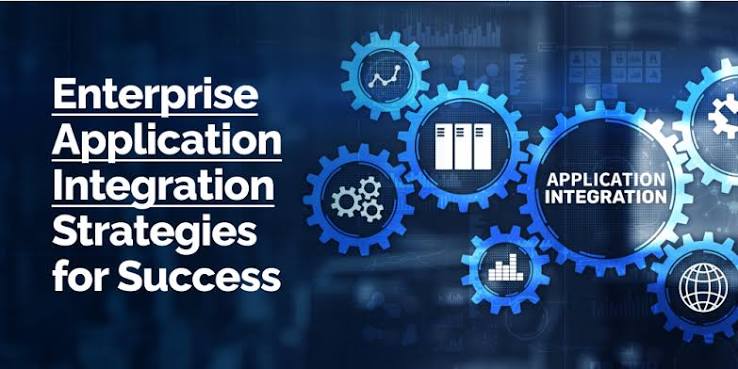
Workday integrates with a wide range of business applications, allowing organizations to build a connected technology ecosystem.
Popular integrations include:
- Microsoft 365
- Microsoft Teams
- Salesforce
- SAP
- Oracle
- ServiceNow
- Slack
- Google Workspace
- Azure Active Directory
- Okta
These integrations reduce duplicate data entry and improve collaboration across HR, finance, and operational teams.
Why Workday Stands Out in 2026
As workforce expectations continue to evolve, HR departments need technology that supports flexibility, automation, and strategic decision-making.
Workday combines cloud computing, artificial intelligence, workforce analytics, and employee self-service into a single platform that helps organizations manage every stage of the employee lifecycle. Its ability to integrate HR, payroll, talent management, and workforce planning makes it one of the most comprehensive enterprise HCM solutions available.
For organizations investing in digital transformation, Workday provides a scalable foundation for improving operational efficiency, employee engagement, and long-term workforce planning.
Conclusion
Workday remains one of the leading enterprise HR software platforms in 2026, offering a complete solution for workforce management, talent acquisition, payroll, employee development, and workforce analytics. Its cloud-native architecture, AI-powered automation, and comprehensive Human Capital Management capabilities enable organizations to simplify HR operations while improving employee experiences.
Whether managing thousands of employees across multiple locations or supporting a rapidly growing workforce, Workday provides the flexibility, scalability, and intelligence required by modern enterprises. Businesses seeking to modernize HR processes and build a data-driven workforce strategy will find Workday to be one of the strongest enterprise workforce management solutions available.